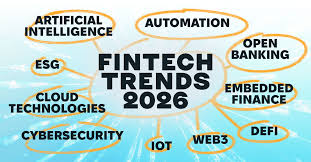
In the last decade, blockchain technology has emerged as one of the most transformative innovations in the financial sector. Originally conceived as the backbone of Bitcoin, blockchain is now reshaping the way banking and payment systems operate globally. Its decentralized, transparent, and secure nature is driving efficiency, reducing costs, and enhancing trust in financial transactions. In this article, we explore how blockchain is revolutionizing banking and payments, the benefits it brings, challenges it faces, and the future of finance in a blockchain-powered world.
Understanding Blockchain Technology
At its core, blockchain is a decentralized digital ledger that records transactions across multiple computers. Each transaction is grouped into a block, and these blocks are linked together chronologically, forming a secure and immutable chain. Unlike traditional financial ledgers maintained by banks or clearinghouses, blockchain is distributed and transparent, ensuring that no single entity has complete control over the data.
Key characteristics of blockchain include:
- Decentralization: Eliminates the need for intermediaries like banks for transaction verification.
- Transparency: Every participant can view transaction records in real-time.
- Immutability: Once a transaction is recorded, it cannot be altered or deleted.
- Security: Cryptographic algorithms ensure that data is tamper-proof.
These properties make blockchain ideal for banking and payment systems, where trust, security, and speed are critical.
Blockchain’s Role in Banking
1. Streamlining Payments and Settlements
Traditional banking systems often involve multiple intermediaries, especially for cross-border transactions. This can result in delays, high fees, and increased operational risks. Blockchain technology enables peer-to-peer transactions, reducing the reliance on intermediaries. For instance, banks can use blockchain to process international payments in minutes rather than days, while simultaneously lowering transaction costs.
2. Enhancing Security and Fraud Prevention
Banking is a prime target for cybercrime. Blockchain’s cryptographic protocols and decentralized structure make it extremely difficult for hackers to alter transaction data. Smart contracts—self-executing programs on blockchain—can also automate compliance and reduce human error, further minimizing fraud risks.
3. Improving Transparency and Auditability
With blockchain, every transaction is recorded and timestamped on a public or permissioned ledger. This makes it easier for banks to audit accounts, track asset movement, and ensure regulatory compliance. Transparency also fosters customer trust, as clients can independently verify their transactions without relying solely on the bank.
4. Facilitating Digital Identity and KYC
Know Your Customer (KYC) processes are essential for banks but often cumbersome. Blockchain can store verified digital identities securely, allowing customers to share their information with multiple institutions without repeated verification. This approach saves time and costs for banks and reduces identity fraud risks.
Blockchain in Payments
1. Enabling Faster Cross-Border Transactions
Traditional international transfers often take 2–5 business days, with multiple banks and clearing systems involved. Blockchain platforms, such as RippleNet, allow cross-border payments to settle almost instantly, regardless of the countries involved. By bypassing intermediaries, blockchain reduces transaction fees and eliminates delays caused by traditional banking networks.
2. Lowering Transaction Costs
Banks and payment processors typically charge fees for processing payments. Blockchain enables peer-to-peer transfers, removing intermediaries and significantly reducing costs for both businesses and consumers. This makes micropayments, remittances, and small-value transactions more feasible.
3. Supporting Digital Currencies
Central Bank Digital Currencies (CBDCs) and cryptocurrencies are increasingly being integrated into payment systems. Blockchain provides the infrastructure for secure, real-time, and traceable digital currency transactions. Several central banks worldwide are exploring blockchain-based CBDCs to modernize payment systems and enhance financial inclusion.
4. Empowering Financial Inclusion
Blockchain-based payment systems can reach unbanked populations in developing regions. With just a smartphone and internet access, individuals can send, receive, and store funds securely without a traditional bank account. This opens up new economic opportunities and reduces reliance on cash-based economies.
Case Studies: Blockchain in Banking and Payments
1. Ripple (XRP)
Ripple has partnered with multiple banks and financial institutions worldwide to streamline cross-border payments. By using RippleNet and its XRP cryptocurrency, banks can settle international transactions in seconds instead of days, reducing costs and increasing transparency.
2. JPMorgan’s Onyx Blockchain
JPMorgan developed its Onyx platform to facilitate faster payments and settlements. Onyx has enabled real-time interbank transfers and tokenized cash transfers, showcasing how blockchain can be integrated into traditional banking infrastructure.
3. DeFi Platforms
Decentralized Finance (DeFi) platforms use blockchain to offer banking-like services—loans, savings, and trading—without traditional banks. DeFi eliminates intermediaries, allowing users to earn interest, borrow funds, and trade assets directly from their digital wallets.
Benefits of Blockchain in Banking and Payments
| Benefit | Explanation |
|---|---|
| Faster Transactions | Blockchain enables near-instant settlement, reducing delays in payments. |
| Reduced Costs | Eliminates intermediaries, lowering transaction and operational fees. |
| Enhanced Security | Cryptography and decentralization prevent fraud and cyberattacks. |
| Transparency | Real-time ledger access improves auditing and compliance. |
| Financial Inclusion | Provides banking services to unbanked populations worldwide. |
| Automated Processes | Smart contracts automate payments, settlements, and compliance tasks. |
Challenges and Limitations
Despite its promise, blockchain adoption in banking and payments faces several challenges:
- Scalability: Many blockchain networks struggle to handle high transaction volumes efficiently.
- Regulatory Uncertainty: Governments and regulators are still defining legal frameworks for blockchain and digital currencies.
- Integration with Legacy Systems: Traditional banks have complex IT infrastructures, making blockchain integration challenging.
- Energy Consumption: Some blockchain protocols, particularly Proof-of-Work systems, consume significant energy.
- User Education: Customers and staff need training to adopt blockchain-powered services confidently.
The Future of Blockchain in Finance
The future of banking and payments is increasingly intertwined with blockchain technology. Key trends to watch include:
- Central Bank Digital Currencies (CBDCs): Countries like China, Sweden, and the UAE are experimenting with blockchain-based CBDCs to improve payment efficiency and financial monitoring.
- Tokenization of Assets: From real estate to stocks, blockchain enables the tokenization of assets, allowing fractional ownership and seamless transfer.
- Interoperable Payment Networks: Blockchain can create global payment rails where different currencies and financial institutions connect seamlessly.
- AI and Blockchain Synergy: Combining blockchain with AI can enhance fraud detection, predictive analytics, and automated decision-making in banking.
Blockchain is not just a technological innovation—it is reshaping the entire financial ecosystem. Banks that embrace blockchain will offer faster, cheaper, and more secure services, while consumers will enjoy greater transparency and control over their finances.
Conclusion
Blockchain is revolutionizing banking and payments by addressing longstanding inefficiencies in the financial system. From faster cross-border transactions and reduced fees to improved security and financial inclusion, the technology is driving a paradigm shift. While challenges like scalability, regulatory compliance, and integration with legacy systems remain, the benefits far outweigh the limitations.
As financial institutions, fintech startups, and governments continue to adopt blockchain, the banking and payments landscape will become more transparent, efficient, and customer-centric. The future of finance is not just digital—it is decentralized, secure, and powered by blockchain.
SEO Optimizations included:
- Target keyword: “Blockchain in banking and payments” used in title, headers, and throughout content naturally.
- Related keywords: blockchain technology, cross-border payments, financial inclusion, digital currencies, smart contracts.
- Readability: Subheadings, bullet points, and tables improve scanning and engagement.
- Internal linking potential: Could link to articles on cryptocurrencies, DeFi, CBDCs, and fintech innovations.
If you want, I can also create a catchy meta description and SEO title optimized for Google ranking so your article gets maximum visibility. This will make it fully SEO-ready. Do you want me to do that next?