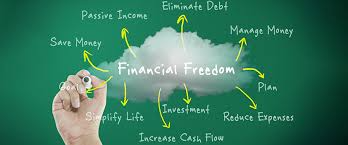
Managing money doesn’t have to feel overwhelming or restrictive. In fact, creating a monthly budget can be one of the most empowering financial habits you develop. Whether you’re trying to save more, pay off debt, or simply understand where your money goes each month, budgeting is the foundation of financial success.
In this comprehensive guide, you’ll learn how to create a monthly budget step by step, avoid common mistakes, and stick to a plan that actually works. By the end, you’ll have a clear roadmap to take control of your finances with confidence.
What Is Monthly Budgeting and Why Is It Important?
Monthly budgeting is the process of planning how you will spend, save, and manage your income over a single month. It helps you allocate your money intentionally instead of reacting to expenses as they arise.
Benefits of Monthly Budgeting
- Provides clarity about your income and expenses
- Helps prevent overspending and debt
- Encourages consistent saving habits
- Reduces financial stress and uncertainty
- Supports long-term financial goals
A well-planned monthly budget gives every dollar a job, ensuring your money works for you—not against you.
Step 1: Calculate Your Total Monthly Income
The first step in budgeting is knowing exactly how much money you have coming in.
Include All Sources of Income
- Salary or wages (after taxes)
- Freelance or side hustle income
- Rental income
- Child support or alimony
- Passive income streams
Tip: If your income fluctuates, calculate an average based on the last 3–6 months or use your lowest expected income to stay conservative.
Step 2: Track Your Monthly Expenses
Understanding where your money currently goes is crucial. This step often reveals spending habits you may not even realize you have.
Fixed Expenses
These are consistent costs that don’t change much month to month:
- Rent or mortgage
- Insurance premiums
- Loan payments
- Phone and internet bills
- Subscriptions
Variable Expenses
These expenses can change every month:
- Groceries
- Transportation
- Utilities
- Dining out
- Entertainment
- Shopping
How to Track Expenses
- Bank and credit card statements
- Budgeting apps
- Spreadsheets
- Manual expense tracking notebooks
Track at least one full month for accurate data.
Step 3: Categorize and Prioritize Spending
Once you’ve listed all expenses, group them into categories and rank them by importance.
Essential Categories
- Housing
- Utilities
- Food
- Transportation
- Insurance
- Minimum debt payments
Non-Essential Categories
- Entertainment
- Dining out
- Subscriptions
- Hobbies
- Luxury purchases
This step helps you identify areas where you can cut back if needed.
Step 4: Set Clear Financial Goals
A budget without goals feels restrictive. Goals give your budget purpose.
Short-Term Goals
- Build an emergency fund
- Save for a vacation
- Pay off a small debt
Long-Term Goals
- Buy a home
- Save for retirement
- Become debt-free
- Build investments
Make your goals SMART: Specific, Measurable, Achievable, Relevant, and Time-bound.
Step 5: Choose a Budgeting Method That Works for You
There’s no one-size-fits-all approach. Choose a budgeting method that fits your lifestyle.
1. The 50/30/20 Budget
- 50% needs
- 30% wants
- 20% savings and debt repayment
2. Zero-Based Budget
Every dollar is assigned a purpose until your income minus expenses equals zero.
3. Envelope System
Use cash envelopes for spending categories to limit overspending.
4. Pay-Yourself-First Budget
Savings and investments are deducted before other expenses.
The best method is the one you can stick to consistently.
Step 6: Create Your Monthly Budget Plan
Now it’s time to put everything together.
- Start with your total income
- Allocate money to essential expenses
- Assign funds to savings and debt repayment
- Budget for discretionary spending
- Ensure expenses don’t exceed income
If they do, adjust categories or reduce non-essential spending.
Step 7: Automate Savings and Bills
Automation removes temptation and makes budgeting effortless.
What to Automate
- Savings transfers
- Bill payments
- Debt repayments
- Investment contributions
Automation ensures you stay consistent even during busy months.
Step 8: Monitor and Adjust Your Budget Weekly
Your budget isn’t a set-it-and-forget-it tool. Regular check-ins keep you on track.
Weekly Budget Check
- Review spending
- Compare actual vs planned expenses
- Adjust categories if necessary
- Identify upcoming expenses
Life changes—your budget should too.
Common Monthly Budgeting Mistakes to Avoid
1. Forgetting Irregular Expenses
Expenses like car repairs, gifts, and annual fees can derail your budget. Plan for them by setting aside money monthly.
2. Being Too Restrictive
Overly strict budgets often fail. Allow some fun money to stay motivated.
3. Not Tracking Spending
A budget only works if you actively track expenses.
4. Ignoring Small Purchases
Small expenses add up quickly. Don’t underestimate them.
Tools to Make Monthly Budgeting Easier
Budgeting Apps
- Expense tracking
- Automatic categorization
- Spending alerts
Spreadsheets
- Fully customizable
- Great for hands-on planners
Pen and Paper
- Simple and distraction-free
- Ideal for beginners
Choose a tool that matches your comfort level.
How Long Does It Take to See Results?
Most people notice improvements within one to three months of consistent budgeting. Benefits include:
- Reduced financial stress
- Increased savings
- Better spending habits
- Clear financial direction
Consistency matters more than perfection.
Final Thoughts: Your Path to Budgeting Success
Monthly budgeting isn’t about depriving yourself—it’s about aligning your money with your priorities. When you know where your money is going, you gain control, confidence, and peace of mind.
Start simple, stay consistent, and adjust as needed. With this step-by-step plan, monthly budgeting becomes less intimidating and more empowering. Over time, your budget will transform from a chore into a powerful tool for financial success.
If you’d like, I can also:
- Optimize this article for specific keywords
- Rewrite it for blog, Medium, or affiliate SEO
- Add FAQs, meta description, and schema-ready headings
Just tell me 👍