In today’s fast-paced world, rising costs of living can make it feel difficult to enjoy life without overspending. However, living well doesn’t have to mean living beyond your means. With smart budgeting strategies, you can take control of your finances, reduce stress, and still enjoy the things that matter most. This guide explores practical, realistic, and sustainable budgeting strategies to help you live comfortably on less—without sacrificing quality of life.
Why Smart Budgeting Matters
Budgeting is more than tracking expenses; it’s about aligning your money with your priorities. When you budget smartly, you gain clarity, confidence, and control over your financial future.
Benefits of Smart Budgeting
- Reduces financial stress and anxiety
- Helps you save consistently
- Prevents unnecessary debt
- Encourages mindful spending
- Creates room for long-term goals
Smart budgeting empowers you to make intentional choices instead of reactive ones.
1. Understand Your Financial Reality
Before you can budget effectively, you need a clear picture of where your money is going.
Track Your Income and Expenses
Start by listing:
- All sources of income (salary, freelance work, side hustles)
- Fixed expenses (rent, utilities, insurance)
- Variable expenses (groceries, dining, entertainment)
- Occasional costs (subscriptions, gifts, travel)
Use budgeting apps, spreadsheets, or a simple notebook—consistency matters more than the tool.
SEO Tip: Tracking expenses is the foundation of personal finance and money management.
2. Set Clear Financial Goals
Living well on less becomes easier when your money has a purpose.
Types of Financial Goals
- Short-term: Paying off a credit card, building an emergency fund
- Mid-term: Buying a car, saving for a vacation
- Long-term: Retirement, home ownership, financial independence
Make your goals SMART: Specific, Measurable, Achievable, Relevant, and Time-bound.
3. Create a Realistic Budget That Works for You
A budget should support your lifestyle—not restrict it.
Popular Budgeting Methods
- 50/30/20 Rule:
- 50% needs
- 30% wants
- 20% savings
- Zero-Based Budgeting: Every dollar is assigned a job
- Envelope System: Cash-based method for spending categories
Choose a system that feels sustainable. The best budget is the one you’ll actually follow.
4. Differentiate Needs vs. Wants
One of the smartest budgeting strategies is learning to distinguish between essentials and extras.
Ask Yourself:
- Do I need this right now?
- Does this align with my goals?
- Is there a cheaper alternative?
Cutting unnecessary expenses doesn’t mean deprivation—it means intentional spending.
5. Reduce Monthly Expenses Without Sacrificing Comfort
Living well on less often comes down to optimizing everyday costs.
Practical Cost-Cutting Tips
- Cook more meals at home
- Cancel unused subscriptions
- Shop generic or store brands
- Negotiate bills (internet, phone, insurance)
- Use cashback and reward programs
Small changes add up to significant savings over time.
6. Master Smart Grocery Shopping
Food is one of the largest variable expenses—but also one of the easiest to control.
Budget-Friendly Grocery Strategies
- Plan meals in advance
- Shop with a list and stick to it
- Avoid shopping when hungry
- Buy in bulk when practical
- Use coupons and loyalty apps
Eating well doesn’t require expensive ingredients—just smart planning.
7. Embrace Frugal Living (Without Feeling Cheap)
Frugal living is about value, not restriction.
Smart Frugal Habits
- Buy quality items that last longer
- Use libraries, community centers, and free events
- Thrift or buy second-hand
- Repair instead of replace
Frugality allows you to enjoy life more by freeing money for what truly matters.
8. Build an Emergency Fund
Unexpected expenses can derail even the best budget.
Why an Emergency Fund Is Essential
- Prevents reliance on credit cards
- Provides peace of mind
- Protects long-term financial goals
Aim for 3–6 months of living expenses, starting small if needed. Even $500 can make a big difference.
9. Pay Off Debt Strategically
Debt can be a major obstacle to living well on less.
Debt Repayment Strategies
- Snowball Method: Pay smallest balances first for motivation
- Avalanche Method: Pay highest interest first to save money
Avoid accumulating new debt by budgeting for irregular expenses in advance.
10. Increase Income Without Burning Out
Sometimes budgeting alone isn’t enough—earning more can accelerate progress.
Smart Ways to Boost Income
- Freelancing or consulting
- Selling unused items
- Learning high-value skills
- Negotiating salary
Focus on opportunities that fit your schedule and energy level.
11. Practice Mindful Spending
Mindful spending helps you enjoy purchases without guilt.
How to Spend Mindfully
- Wait 24 hours before big purchases
- Compare prices and read reviews
- Spend on experiences, not just things
- Align spending with personal values
When you spend intentionally, you feel more satisfied—regardless of price.
12. Automate Savings and Bills
Automation removes temptation and builds consistency.
What to Automate
- Monthly savings transfers
- Retirement contributions
- Bill payments
This “set it and forget it” approach ensures your financial goals stay on track.
13. Review and Adjust Your Budget Regularly
Life changes—and your budget should too.
Monthly Budget Check-In
- Review spending patterns
- Adjust categories as needed
- Celebrate small wins
Budgeting is a living process, not a one-time task.
14. Redefine What “Living Well” Means to You
Living well on less is about contentment, not comparison.
Ask yourself:
- What truly makes me happy?
- What expenses add real value?
- What can I let go of?
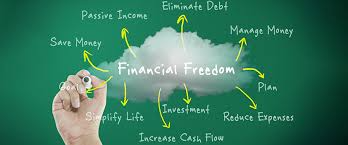
Often, peace of mind and financial freedom are more rewarding than luxury.
Conclusion: Living Well on Less Is a Skill You Can Master
Smart budgeting is not about restriction—it’s about freedom. When you manage your money intentionally, you gain the ability to live comfortably, plan confidently, and enjoy life without constant financial worry.
By tracking expenses, setting goals, cutting unnecessary costs, and spending mindfully, you can live well on less while building a secure financial future. Start small, stay consistent, and remember: every smart financial choice brings you one step closer to the life you want.
If you’d like, I can:
- Optimize this further for Google ranking (keywords + meta description)
- Rewrite it for blog, Medium, or affiliate content
- Add FAQs, internal links, or call-to-action sections
Just tell me 👍